
High blood pressure is a silent problem for many people. You might feel fine but your heart works too hard. The good news is you can learn how to lower blood pressure with small daily changes. These methods work for most people. They do not always need pills. Let me show you twelve simple ways to bring your numbers down. Each step is easy to follow. You can start today.
Understand Your Blood Pressure Numbers
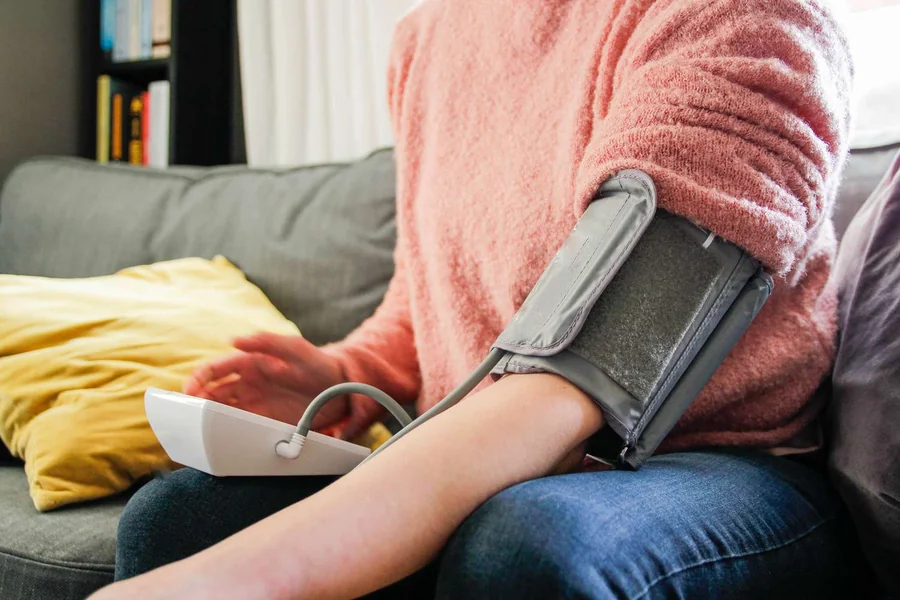
Before you change anything know your numbers. Blood pressure has two parts. The top number is systolic pressure. This measures pressure when your heart beats. The bottom number is diastolic pressure. This measures pressure when your heart rests between beats. A normal reading is below 120 over 80. High blood pressure starts at 130 over 80. If your numbers stay high you need action. Get a home monitor. Check your pressure at the same time each day. Write down the results. This helps you see what works.
Eat a Heart-Healthy Diet
Food plays a big role in blood pressure. You want to eat meals that help your blood vessels relax. The DASH diet is a good plan. DASH stands for Dietary Approaches to Stop Hypertension. Eat more fruits and vegetables. Aim for five servings each day. Bananas are great because they have potassium. Potassium balances salt in your body. Eat leafy greens like spinach and kale. Add beans and lentils to your meals. Choose whole grains over white bread and rice. Brown rice oats and quinoa are smart choices. Eat lean protein like chicken without skin or fish. Fatty fish such as salmon have omega-3 fats. These fats reduce inflammation in your blood vessels. Avoid red meat and full-fat dairy. These foods can raise your pressure.
Reduce Sodium Intake
Salt is a hidden danger. Most people eat too much sodium. Your body holds extra water when you eat salt. This extra water raises blood pressure. The American Heart Association says limit sodium to 1500 milligrams per day. That is less than one teaspoon. But many foods have salt you do not expect. Canned soups have a lot of salt. Frozen dinners are high in sodium. Breads and cereals also add up. Deli meats and bacon are salt bombs. You can lower your salt easily. Cook at home more often. Use fresh herbs like basil or cilantro for flavor. Try garlic powder not garlic salt. Squeeze lemon juice on vegetables. Buy no-salt-added canned goods. Rinse canned beans before you eat them. Read food labels carefully. Look for less than 140 milligrams per serving. Your taste buds will adjust in a few weeks. Then salty food will taste too strong.
Get Moving with Regular Exercise
Physical activity lowers blood pressure fast. A single workout can drop your numbers for hours. Regular exercise keeps them down long term. You do not need a gym membership. Walking is perfect for beginners. Aim for 30 minutes of movement most days. Brisk walking where you breathe harder works best. You can split the time into three ten-minute walks. Other good options include jogging swimming or cycling. Strength training twice a week also helps. Lift light weights or use resistance bands. Bodyweight exercises like squats pushups and lunges count too. The key is consistency. Start slow if you are new to exercise. Five minutes a day is better than nothing. Build up over time. Do not hold your breath when you lift. Breathe out during the hard part. This keeps your pressure steady. Always warm up for five minutes before harder exercise. Cool down after with gentle stretching.
Manage Stress for Better Pressure
Stress makes your blood pressure spike. Your body releases hormones that tighten blood vessels. Your heart beats faster. This is fine for short periods. But constant stress keeps your pressure high. Learning to relax is a skill. Deep breathing works well. Sit quietly for five minutes. Breathe in slowly for four counts. Hold for four counts. Breathe out for six counts. This triggers your relaxation response. You can do this anywhere. Another method is progressive muscle relaxation. Tense each muscle group for five seconds then release. Start with your feet and move up to your face. Meditation helps too. Use a free app like Insight Timer. Just five minutes of sitting still makes a difference. Spend time in nature. A walk in a park lowers stress hormones. Talk to friends or family about your worries. Social connection protects your heart. Get enough sleep each night. Poor sleep raises blood pressure. Aim for seven to eight hours. Keep your bedroom dark and cool. No screens for an hour before bed.
Limit Alcohol and Quit Smoking
Alcohol and tobacco are bad for blood pressure. Drinking too much raises your numbers. One drink a day for women is the limit. Men can have two drinks. A drink is 12 ounces of beer 5 ounces of wine or 1.5 ounces of liquor. More than that damages your blood vessels. Binge drinking is very dangerous. It can cause sudden pressure spikes. If you smoke stop as soon as you can. Nicotine tightens your blood vessels. Each cigarette raises your pressure for 30 minutes. Smoking also hardens your arteries over time. Your blood pressure medicine works less well if you smoke. Quitting is hard but possible. Use nicotine patches or gum. Ask your doctor for help. Join a quitline like 1-800-QUIT-NOW. After one year without smoking your heart disease risk drops by half. Your blood pressure will improve too. Even cutting back helps. But quitting completely is the goal.
When to See Your Doctor
Lifestyle changes work for many people. But sometimes you need extra help. See your doctor if your pressure stays above 130 over 80 after two months of healthy habits. Your doctor might prescribe medicine. Do not feel bad about this. High blood pressure damages your kidneys eyes and brain over time. Medicine prevents this damage. Common pills include ACE inhibitors beta-blockers and diuretics. These drugs have few side effects for most people. Your doctor will find the right one for you. Never stop blood pressure medicine on your own. That can cause dangerous spikes. Also see a doctor if you have symptoms. Chest pain shortness of breath or severe headaches need quick care. Very high pressure like 180 over 120 is a medical emergency. Call for help right away. Regular checkups are smart even when you feel fine. Your doctor can adjust your plan as needed.
Final Thought
Learning how to lower blood pressure takes time. Do not expect overnight results. But each small change adds up. Start with one or two tips from this list. Maybe cut salt first. Then add a daily walk. Then work on stress. Your body will thank you. Lower pressure means less work for your heart. You will have more energy. Your brain will stay sharper. Your kidneys will last longer. These benefits are worth the effort. Be patient with yourself. Slip ups happen. Just get back on track the next day. Track your progress with a home monitor. Celebrate small wins like five pounds lost or a lower reading. Share your goals with a friend for support. You have the power to change your numbers. Start today. Your future self will be glad you did.
Frequently Asked Questions
How fast can I lower my blood pressure naturally?
Some methods work within hours. Deep breathing and a short walk can drop your pressure by 10 points for a few hours. For lasting results give yourself two to four weeks. Cutting salt shows results in seven days. Regular exercise lowers pressure after about three weeks. Be consistent and patient.
What drink lowers blood pressure the fastest?
Beetroot juice is a strong choice. Beets have nitrates that open blood vessels. A cup of unsalted beet juice can lower pressure within three to six hours. Hibiscus tea also works well. Drink it hot or cold. Skim milk or plain yogurt drinks provide calcium and potassium. Avoid sugary drinks and too much caffeine.
Can I stop blood pressure medicine after lifestyle changes?
Only do this with your doctor’s approval. Never quit medicine suddenly. Your pressure could spike dangerously. Your doctor will check your numbers over time. If they stay low for many weeks your doctor may lower your dose slowly. Some people eventually stop medicine. But many need a low dose forever. That is okay.
Is coffee bad for high blood pressure?
Caffeine causes a short spike. Your pressure goes up for 30 to 60 minutes after coffee. For most people this spike is harmless. But if you have uncontrolled high pressure limit caffeine to one or two cups a day. Decaf coffee is a safer choice. Tea has less caffeine than coffee. Watch energy drinks. They have very high caffeine plus sugar.
Does drinking more water lower blood pressure?
Water helps but do not overdo it. Being dehydrated makes your blood thicker. Your heart works harder to pump it. Drink six to eight glasses a day. But drinking too much water does not lower pressure further. Your body just pees out the extra. Also talk to your doctor if you have heart failure. You may need a fluid limit.
What foods should I avoid completely?
Nothing needs to be totally forbidden. But limit these foods as much as you can. Processed meats like hot dogs and salami. Frozen pizza and canned soups. Soy sauce and teriyaki sauce. Pickles and olives. Fast food burgers and fries. Bakery items with trans fats. Read labels for sodium and saturated fat.
How does sleep affect blood pressure?
Sleep is critical. Your pressure naturally drops by 10 to 20 percent at night. This is called nocturnal dipping. If you do not sleep well this dip does not happen. Your pressure stays high all night. Over time this damages your arteries. Poor sleep also raises stress hormones. Aim for seven to eight hours of quality sleep. Keep a regular sleep schedule even on weekends.
