
You have a voice that people enjoy listening to. Maybe friends say you should be on the radio. Or you love doing funny character voices for your kids. That spark of interest is the first step toward a fun and flexible career. Voice acting is not just about having a deep or smooth tone. It is about telling stories with your voice. It is about making a commercial feel trustworthy or a cartoon character feel alive. The good news is you can start right where you are. You do not need a fancy degree or a rich relative. You need practice patience and a smart plan. This article will show you how to become a voice actor without wasting time or money on things you do not need. You will learn what skills matter most how to set up a simple home studio and where to find real work. Let us begin.
What Does a Voice Actor Actually Do?
Many people think voice actors just talk into a microphone. But the job is much deeper. A voice actor brings scripts to life. You might record a calm voice for a meditation app. You might shout with joy for a breakfast cereal commercial. You might cry or laugh for a video game character. Each project needs a different energy. You also need to take direction well. A producer might ask you to sound happier or slower or more like a grandparent. You must switch your voice fast without breaking character. Voice actors work from home studios mostly now. You will record yourself send files to clients and handle your own business tasks. That means you are also a bookkeeper a marketing person and a tech support team. So a voice actor is a small business owner who uses their voice as the main product. This freedom is exciting but it also needs discipline. You cannot wait for someone to hand you work. You must go find it.
Develop Your Raw Voice Skills
Your voice is your instrument. You must treat it like a musician treats a guitar. Start by listening to your natural speaking voice. Record yourself reading a book page aloud. Do you sound clear? Do you rush? Do you mumble? Most beginners do not realize they speak too fast. Slow down. Breathe between sentences. Articulate each word fully. Practice tongue twisters every morning. Say “red leather yellow leather” ten times. Say “unique New York” slowly then faster. These exercises warm up your mouth. Next work on your breath control. Lie on the floor and put a hand on your belly. Breathe in for four seconds. Breathe out for eight seconds. This builds the steady airflow you need for long recording sessions. You also need range. Try to copy a cartoon character. Then try a news anchor voice. Then try a tired parent voice. The goal is not to sound like someone else forever. The goal is to learn how your voice can bend. Keep a voice journal. Record short clips every week. Listen back without cringing. Notice what sounds good and what sounds forced. This self-feedback is priceless. And remember to rest your voice. Drink warm water. Avoid screaming at concerts. Your vocal cords are delicate.
Get Proper Training Without Breaking Your Budget
You do not need a four-year college degree to become a voice actor. But you do need training. Bad habits are hard to unlearn. So find a good coach for a few sessions. Look for a coach who works in the industry today. Avoid retired actors who have not booked a job in ten years. A good coach will listen to your voice and point out specific problems. They might say your S sounds are too sharp. Or your tone is too flat. They will give you drills to fix those issues. Expect to pay between seventy five and two hundred dollars per hour. That sounds expensive but three or four sessions can save you years of frustration. You can also find free resources online. Watch YouTube videos from working voice actors. Join Facebook groups where pros share tips. Listen to voice acting podcasts during your commute. Another low cost option is group workshops. Many cities have improv classes or theater groups. Improv teaches you to think fast and commit to a character. That skill is gold for animation and video game voice work. Do not skip training thinking you can learn alone. A second pair of ears catches mistakes your own ears ignore. Spend three to six months training before you try to find paid work.
Build a Simple Home Studio That Sounds Professional
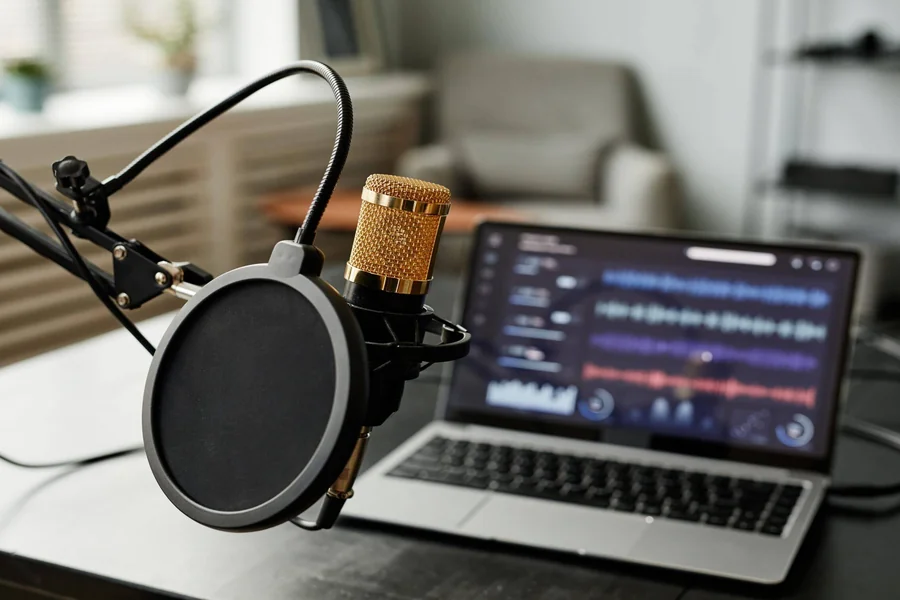
You cannot record in a noisy room with an echo. Your bathroom has too much tile. Your kitchen has refrigerator hum. You need a quiet space with soft surfaces. A closet full of clothes is perfect. The clothes absorb sound reflections. Start there. Place a small table inside the closet. Get a basic USB microphone like the Audio-Technica ATR2100x or the Samson Q2U. These mics cost about sixty to one hundred dollars. They sound good for beginners. Next get closed-back headphones. Sony MDR7506 is a common choice. Avoid earbuds. Then get a microphone stand and a pop filter. The pop filter stops those explosive P and B sounds. For recording software download Audacity. It is free and easy. Now you need to treat your space. Hang moving blankets on the closet walls. Put a thick rug on the floor. Cover any hard surfaces. Do not buy expensive foam panels yet. A treated closet can sound like a professional booth. Run a test recording. Clap your hands. Do you hear a ringing echo? Add more blankets. Your final audio should sound dry and close. No background noise. No reverb. When you achieve that sound you are ready to record real auditions. Remember your computer fan can be loud. Put your laptop outside the closet and run a long USB cable. Keep your phone on silent. Turn off your air conditioner. Silence is your best friend.
Create a Voice Demo Reel That Gets Attention
A demo reel is your audio resume. It shows what you can do. Agents and casting directors listen to your reel first. If they like it they call you for work. Your reel must be short. Thirty to sixty seconds is enough. Include three to four different styles. For example start with a warm commercial read. Then a high energy toy commercial. Then a serious documentary narration. Then a funny cartoon character. Each clip should be five to fifteen seconds long. Do not put music that overpowers your voice. Do not use sound effects that hide your acting. The focus must be your voice. Here is a hard truth. Do not make your own demo reel as a beginner. You are too close to your own voice. You will miss problems. Instead hire a professional demo producer. This costs between five hundred and two thousand dollars. That sounds like a lot. But a bad demo will close doors. A good demo opens them. Save up for this expense. Ask your voice coach for producer recommendations. Listen to the producer’s past work. Make sure their style matches your goals. Before you record the demo practice your scripts until they feel natural. Do not sound like you are reading. Sound like you are talking to one person. A good demo reel is your ticket to auditions. Treat it like an investment.
Find Auditions and Land Your First Paid Gig
You have training. You have a home studio. You have a demo reel. Now you need work. Start on pay-to-play websites like Voices.com or Voice123. These sites let you audition for many jobs daily. You pay a membership fee of about three hundred to five hundred dollars per year. Yes that is real money. But these sites are where thousands of jobs get posted. Create a strong profile. Upload your demo reel. Then audition every day. Aim for ten to twenty auditions weekly. Read the job post carefully. Match your tone to the client’s request. If they want friendly and energetic do not sound bored. Also check smaller sites like Bodalgo or Casting Call Club. Casting Call Club is free and great for animation and video game fans. Another path is direct marketing. Make a list of local video production companies. Call them and ask if they need voice talent. Send a short email with a link to your demo. Also look for audio book work on ACX. ACX connects narrators with authors. You can work on royalty share or for a flat fee. Do not expect big money at first. Your first few jobs might pay fifty or one hundred dollars. That is okay. You need experience and client reviews. Each good review builds your reputation. Be professional with every client. Deliver files on time. Name your files correctly. Be easy to work with. Word of mouth will bring more work than any website. Stay patient. Most voice actors take six to twelve months to earn consistent income.
Final Thought
Learning how to become a voice actor is not a sprint. It is a steady walk. You will face rejection. You will send fifty auditions and hear nothing back. That happens to everyone even the pros. The difference between a successful voice actor and a frustrated one is simple. The successful actor keeps showing up. They train every week. They upgrade their studio little by little. They audition even when tired. They ask for feedback and they listen. Your voice is unique. No one else has your exact sound or your life experience. That is your superpower. Do not try to sound like the current popular voice actor. Sound like you. Trust your instincts. Celebrate small wins like your first paid gig or a nice review from a client. This career offers freedom flexibility and joy. You can work from home in your pajamas. You can bring characters to life. You can make a living with just your voice. But only if you take action. So pick one thing from this article and do it today. Record yourself reading a poem. Email a coach for a trial lesson. Clear out that closet. The journey starts with one small step.
Frequently Asked Questions
How long does it take to become a voice actor?
Most beginners need six months to two years of consistent practice before earning regular income. Your timeline depends on your natural talent your training hours and your marketing effort. Some people book a small job in three months. Others take three years. Focus on progress not speed.
Do I need a special deep or sexy voice?
No. Voice acting needs acting ability not a specific pitch. Clients look for genuine emotion clear delivery and believable characters. A high pitched voice works for cartoons. A gravelly voice works for tough guys. A plain voice works for corporate narrations. Your voice is enough.
Can I become a voice actor without a home studio?
Technically yes but practically no. Most remote auditions require you to record from home. Studios are expensive. Clients expect broadcast quality audio. A basic closet studio costs under two hundred dollars. That is a necessary investment. Without it you cannot compete.
How much money do voice actors make?
Beginners might earn one hundred to five hundred dollars per month. Part time hobbyists earn five thousand to fifteen thousand dollars per year. Full time professionals earn fifty thousand to over two hundred thousand dollars per year. Top voice actors for major brands or animation earn much more. But treat voice acting like a business. Your income grows with your skills and your client list.
Should I get a voice over agent?
Not as a beginner. Agents want experienced talent with a professional demo and proven work history. Build your own client base first. After you book consistent work for one or two years then start submitting to agents. An agent can help you find bigger jobs but they take a ten to twenty percent commission. Most agents only sign talent who already earn money on their own.
What is the best age to start voice acting?
Any age. Children can do cartoon voices. Teens can do video game characters. Adults are perfect for commercials and audio books. Seniors bring wisdom and warmth to narrations. Age is not a barrier. Your ability to take direction and deliver clean audio matters much more.
