
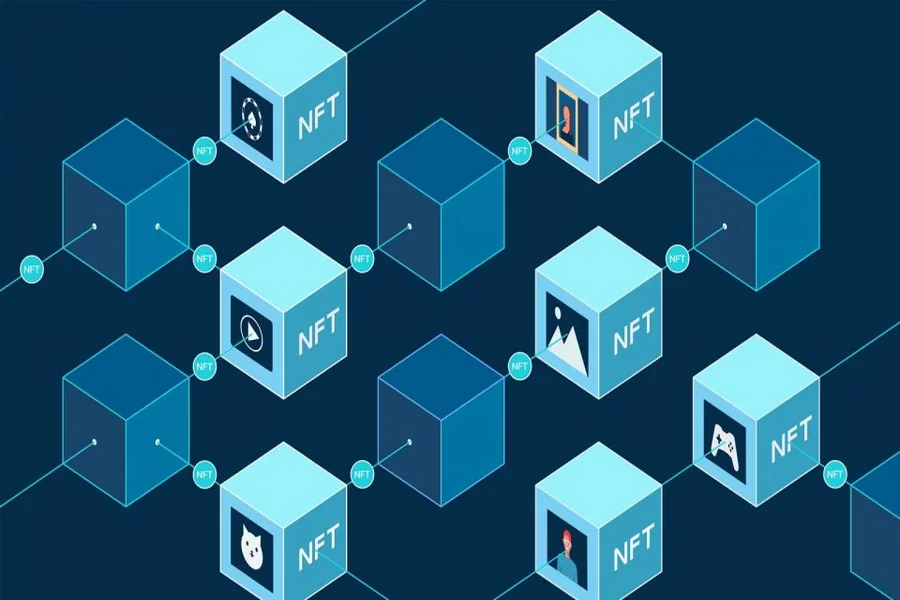
You have heard about blockchain because of Bitcoin or Ethereum. But the technology itself is simpler than you might think. A blockchain is just a special kind of database. It stores information in a way that makes cheating very hard. This article will teach you how blockchain technology works without confusing computer science terms. You will learn about blocks hashing miners and why this system matters for our digital world.
What Is a Blockchain Exactly?
Imagine a shared notebook that many people can see. But nobody can erase a page once it is written. That is a blockchain in basic form. The word block refers to a bundle of transaction data. The word chain refers to how these blocks link together. Each block gets a unique fingerprint called a hash. This hash depends on everything inside the block. If someone changes a single number the hash changes completely. That broken hash tells everyone the notebook has been tampered with. Blockchain runs on many computers at the same time. No single person owns all the copies. This shared control is why people call blockchain a decentralized system.
The Three Building Blocks of a Blockchain
To really understand how blockchain technology works you need to know its three main parts. The first part is the block itself. A block contains a list of transactions a timestamp a hash and the previous block’s hash. The second part is the peer to peer network. This network includes thousands of computers called nodes. Each node keeps a full copy of the blockchain. The third part is the consensus mechanism. This is a set of rules that nodes follow to agree on new blocks. Without consensus a blockchain would have no way to decide which version of history is correct. These three parts work together to create a system that is open honest and very hard to attack.
How a New Block Is Born
A new block starts with a user action. Someone sends cryptocurrency or records a contract. That transaction goes out to the network. All nodes see this pending transaction. But it is not yet confirmed. The transaction waits in a memory pool with many others. Then miners or validators grab a batch of these pending transactions. They group them into a candidate block. This candidate block is not yet part of the chain. It must earn the right to join the chain. The process of earning that right depends on the blockchain’s rules. For Bitcoin the rule is called proof of work. For newer blockchains the rule might be proof of stake. Either way the goal is the same. The network must agree that this block is valid before adding it.
Understanding Cryptographic Hashes
A hash is a digital fingerprint for data. You feed any piece of information into a hash function. The function returns a fixed length string of letters and numbers. For example the word hello might produce a hash like 2cf24dba5fb0a30e26e83b2ac5b9e29e1b161e5c1fa7425e73043362938b9824. Change one letter in hello to hello and the hash becomes completely different. This property is vital for how blockchain technology works. Each block contains its own hash plus the previous block’s hash. If someone tries to change an old transaction that block’s hash changes. Then the next block which stored the old hash will notice the mismatch. That mismatch travels down the entire chain. Nodes will instantly reject a tampered block.
What Do Miners Actually Do?
Miners are special nodes that create new blocks. They compete to solve a mathematical puzzle. This puzzle is called proof of work. The puzzle is simple to check but hard to solve. A miner must find a number called a nonce. When you add this nonce to the block’s data the block’s hash starts with a certain number of zeros. Finding that nonce takes billions of guesses. The first miner to find the correct nonce announces the new block to the network. Other nodes check the work. If the block follows all rules they add it to their copy of the chain. The winning miner gets a reward. This reward includes newly created coins and transaction fees. Mining makes cheating expensive because an attacker would need more computing power than the entire honest network combined.
Linking Blocks to Form the Chain
The chain is what makes blockchain technology work so well. Block one points to nothing because it is the first block. Block two contains a copy of block one’s hash. Block three contains a copy of block two’s hash. This pattern continues forever. To change a transaction in block one you would need to recompute block one’s hash. Then you would need to recompute block two’s hash because block two stores block one’s old hash. Then you would need to recompute every single block after that. Doing this for one block is hard. Doing it for hundreds of thousands of blocks is impossible. The chain grows stronger with each new block. Older blocks become more secure because they are buried under so much work. That is why people say blockchain creates an immutable record.
Why No One Can Cheat the System
Many people ask if a powerful attacker could break a blockchain. The answer is yes but only with unrealistic resources. An attacker would need more than fifty percent of the network’s total computing power. This is called a 51 percent attack. Even then the attacker could not reverse old transactions easily. They could only influence new ones. The bigger problem is cost. Running such an attack on Bitcoin would cost billions of dollars in hardware and electricity. And the attack would destroy trust in the blockchain. So the attacker would crash the value of the very coins they hoped to steal. Honest nodes would also notice the attack and could change the rules to stop it. Most blockchains have built in defenses like checkpointing and social coordination. For normal users the system is safer than any bank server because there is no central point of failure.
A Simple Money Transfer on Blockchain
Let me walk you through a real example. Alice wants to send ten dollars worth of Bitcoin to Bob. Alice creates a transaction message. This message says I Alice send 10 dollars to Bob. She signs this message with her private key. The private key is like a secret password only she knows. The signature proves Alice authorized the transfer. Her wallet broadcasts the transaction to the network. Nodes check that Alice has enough money in her address. They also check her signature is valid. The transaction joins the memory pool. A miner picks this transaction along with many others. The miner solves the proof of work puzzle. Once solved the miner adds the block to the chain. Bob waits for a few more blocks to build on top. After six confirmations most merchants accept the payment as final. Bob now controls the money because his wallet’s private key can move it. The whole process takes about ten minutes for Bitcoin but other blockchains are much faster.
Frequently Asked Questions About Blockchain
Is blockchain the same as Bitcoin?
No. Bitcoin is one application that uses blockchain technology. Think of blockchain as the engine and Bitcoin as the car. Many other blockchains exist for different purposes like Ethereum for smart contracts or Solana for fast payments.
Can blockchain be hacked?
No system is one hundred percent unhackable. But hacking a major blockchain is extremely hard. An attacker would need to control more than half of the network’s power. Small blockchains with few miners are more vulnerable. Always choose well established networks.
Do I need to understand math to use blockchain?
Not at all. The math runs in the background. You just use apps and wallets. The technology is complex but the user experience can be simple like sending an email.
How long does a transaction take?
It depends on the blockchain. Bitcoin takes about ten minutes per block. Ethereum takes about twelve seconds. Some newer blockchains take less than one second. Network traffic also affects speed. Busy times mean longer waits.
What happens if I lose my private key?
Nobody can help you recover it. There is no password reset button. Without your private key your funds are gone forever. That is why you must store backup copies in safe places.
Why do blockchains use so much electricity?
Proof of work mining consumes a lot of energy. But many newer blockchains use proof of stake. Proof of stake reduces energy use by more than ninety nine percent. Ethereum switched to proof of stake in 2022.
Final Thought
Now you know how blockchain technology works at a basic level. It is not magic or a mystery. A blockchain is just a linked list of data blocks protected by cryptography. The real innovation is the combination of hashing decentralization and economic incentives. These parts work together to remove the need for a central boss. No bank no government no company controls your data. You control your own private keys and your own value. Blockchain is still a young technology. New improvements arrive every year. But the core idea will last. It gives us a way to trust a system without trusting any single person in it. That idea changes everything.
